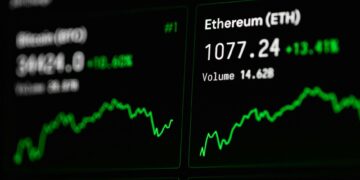
Bitcoin Holds Steady Amid Rising Inflation and Global Unrest
Bitcoin prices remained resilient above $72,000 as U.S. inflation reached 3.3% in March, a significant increase from the previous month, complicating the financial landscape for investors navigating surging oil prices and geopolitical tensions.
The inflation rate, reported by the Labor Department, marked the highest level seen since mid-2024, driven largely by increases in energy costs attributed to escalating conflict in the Middle East, particularly the U.S.-Israel war in Iran. The surge in oil prices, which saw gasoline costs spike by 21.2% in March alone— the largest single-month increase since records began in 1967— raises concerns about sustained economic pressures on consumers and businesses alike. Fuel oil prices soared over 30%, reinforcing worries about long-term inflationary trends.
Market Reaction to Economic Pressures
In the face of these economic pressures, Bitcoin’s stability comes as a welcome surprise to many investors. The cryptocurrency observed little fluctuation, maintaining its value despite threats of liquidation across broader markets. Reports indicated that liquidation spikes had become frequent during turbulent trading periods as investors reacted to both regional conflicts and rising commodity prices.
This sentiment was compounded by fears of an impending stagflation scenario, where increased prices do not correlate with economic growth. Investors seem to be weighing their options between traditional assets and cryptocurrencies like Bitcoin as a hedge against diminishing purchasing power. Data from various financial reporting sources suggested that many view digital currencies as a potential safe haven amid traditional market volatility.
Despite the current backdrop of economic uncertainty, the ongoing debate regarding inflation continues to complicate matters. Economists and analysts have warned that sustained high inflation could alter investor behavior significantly, particularly regarding interest rate adjustments by the Federal Reserve, which have already demonstrated mixed signals in recent months.
Looking Forward: The Future of Cryptocurrency Markets
As markets brace for potential further disruptions, analysts suggest that the outlook for Bitcoin and other cryptocurrencies will heavily depend on economic indicators and geopolitical developments. Investors watch closely how inflation trends might influence Federal Reserve policies and, in turn, impact liquidity conditions in the cryptocurrency market.
Acknowledging the potential for increased interest rates, some analysts predict that Bitcoin and other digital assets might face headwinds that could trigger adverse price movements in the coming weeks. This uncertainty may prompt some investors to evaluate their risk exposure more critically, leading to market fluctuations that reflect the current financial climate.
The fundamental role that geopolitical unrest plays in financial markets cannot be overstated. Should conflicts escalate or new tensions arise, particularly involving energy-dependent economies, the ramifications could ripple through both traditional and crypto markets, further emphasizing the interconnectedness of these global financial systems.