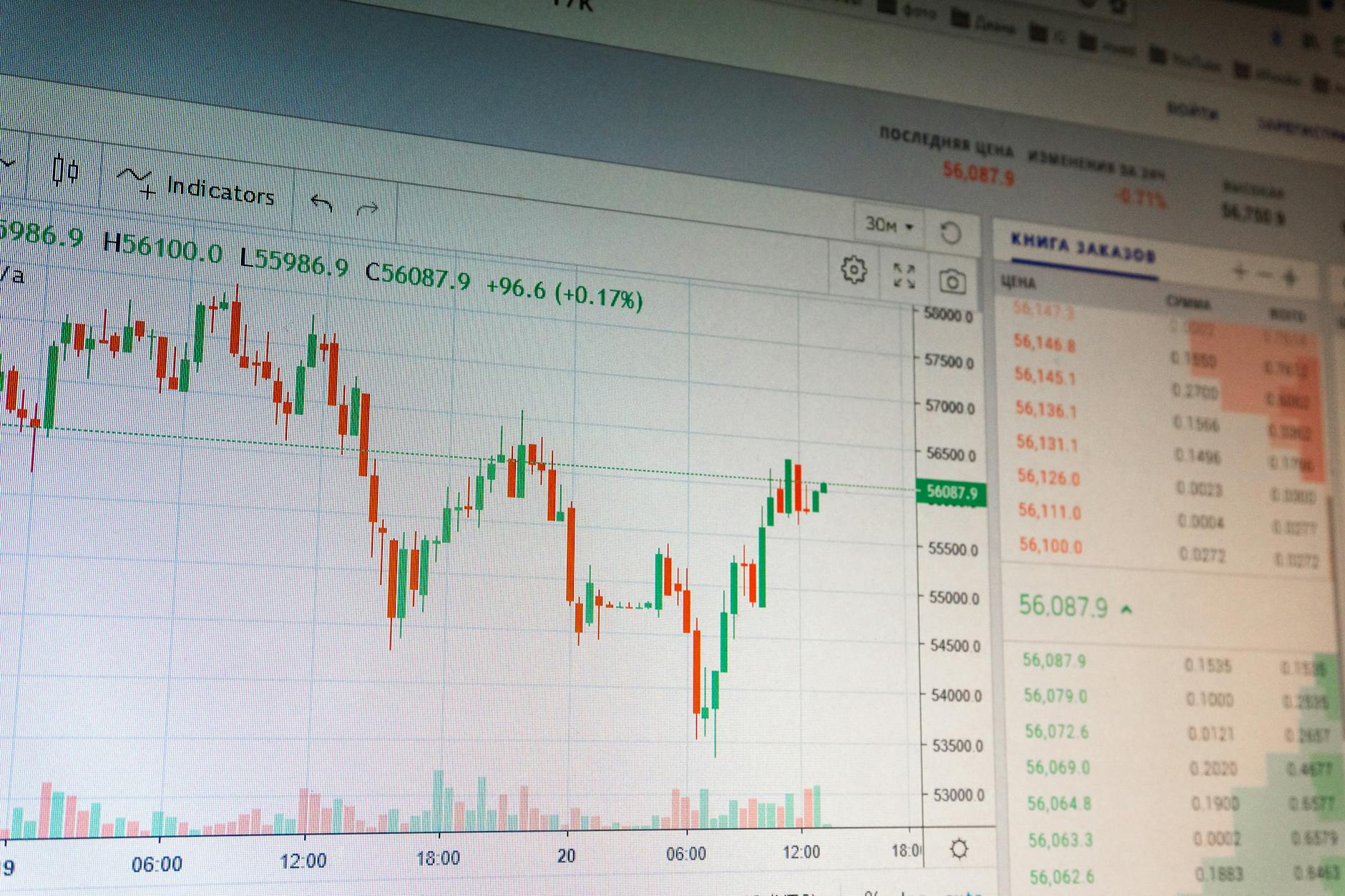
Bitcoin Experiences Volatility Amid Market Developments
Bitcoin witnessed significant price fluctuations on March 31, briefly hitting $66,551 amidst fluctuating global economic conditions. Analysts attributed this volatility to ongoing shifts in oil prices and overall market sentiment, highlighting the cryptocurrency’s reactive nature to broader economic indicators.
Reported by CoinTelegraph, Bitcoin’s price initially surged, reflecting investor enthusiasm after remarks from U.S. President Donald Trump that framed cryptocurrency as a “powerful” new financial tool. The President’s declaration suggested that Bitcoin and other cryptocurrencies could play a crucial role in future financial systems, particularly against the backdrop of perceived geopolitical threats.
Decentralized Finance (DeFi) Gains Momentum
In related sectors, decentralized finance (DeFi) platforms reported a marked increase in liquidity, signaling a growing investor confidence in innovative finance solutions. Analysts indicated that this increase could showcase a recovery trend in digital financial tools, aimed at reducing the reliance on traditional banking systems.
Market data analysis pointed to larger liquidity pools forming within various DeFi protocols, suggesting an influx of capital as users seek alternatives in the ever-evolving financial landscape.
This development poses intriguing questions about the resilience of DeFi in the current economic climate, as well as its increasing appeal among investors who crave less regulated avenues in contrast to traditional assets.
NFT Markets See Broader Adoption
Meanwhile, the non-fungible token (NFT) market exhibited signs of a resurgence, as several platforms experienced increased user engagement and transactions. Analysts noted that as mainstream brands embrace NFTs for digital collectibles and unique assets, the technology’s application appears to deepen.
The rise in NFT engagement reflects a shift in consumer behavior, moving beyond speculative investments to more recognized use cases in branding and community engagement among organizations. Experts suggest that this trend could signify a maturation of the NFT market, providing a more stable foundation for future growth.
Regulatory Landscape Shifts Under Pressure
On the regulatory front, authorities worldwide are scrambling to adapt to rapid developments in cryptocurrency technologies. Recent discussions in U.S. regulatory circles have focused on the challenges and opportunities presented by cryptocurrencies, with frameworks suggesting a need for more comprehensive oversight to protect both investors and the integrity of financial markets.
As countries adapt their guidelines, it raises important questions about balancing innovation with consumer protection. Analysts believe that as regulations tighten, the cryptocurrency space could see further institutional investment, provided the rules are clear and favorable to new financial technologies.
Investor Sentiment and Future Directions
Looking forward, market observers suggest that Bitcoin and other cryptocurrencies are entering a critical phase where price stability will hinge on broader economic factors including inflation rates and oil prices. The potential for Bitcoin to act as a hedge against inflation remains a topic of debate among analysts, with many asserting that sustained interest from institutional investors will be key in determining future market trajectories.
As liquidity increases in DeFi and traditional regulatory systems adapt to these changes, the industry is likely to undergo significant transformations. Stakeholders are urged to stay informed and adaptable as they navigate these evolving landscapes.