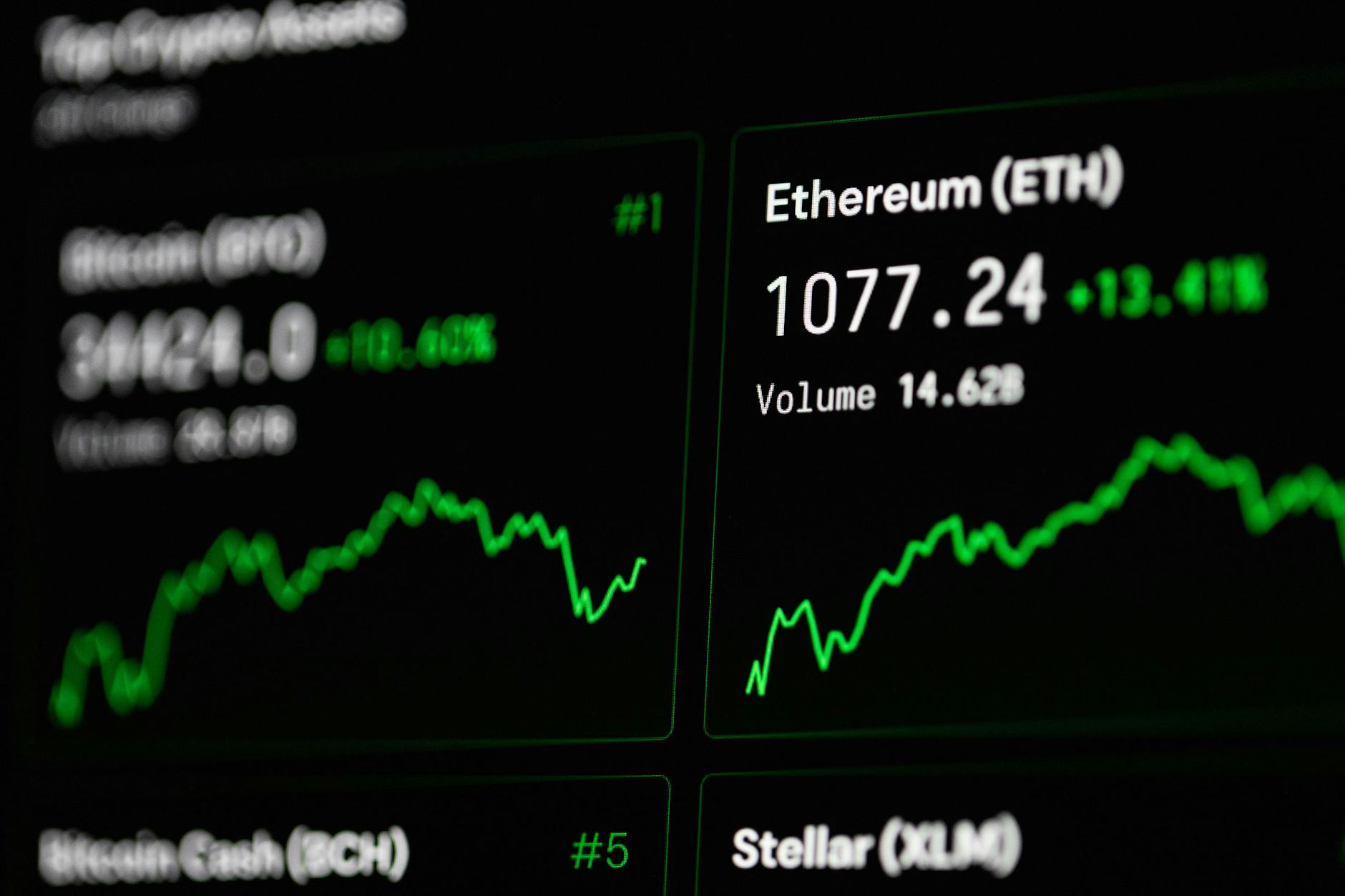
Market Shifts Driven by Bitcoin Volatility and Emerging Trends
Bitcoin experienced significant volatility today, initially spiking above $66,500 before encountering resistance amid rising crude oil prices, reflecting broader market uncertainties. These fluctuations are underscored by increasing liquidity in decentralized finance (DeFi) protocols, attracting investor attention in navigating the shifting landscape.
Market analysts note that Bitcoin’s brief price surge comes amid previous fluctuations that saw it hovering between $65,000 and $72,000. The recent upward movement marks a pivotal moment as investors speculate on potential pricing trends in the coming weeks. The shifting dynamics across cryptocurrencies also spotlight critical developments in various segments including DeFi, non-fungible tokens (NFTs), and regulatory frameworks, further shifting the focus on digital assets.
Decentralized Finance (DeFi) Gaining Momentum
DeFi protocols have reported a notable uptick in liquidity, indicating strengthening interest and participation among investors. This resurgence aligns with increased creativity and utility within DeFi platforms, fostering a greater reliance on blockchain-based financial solutions.
As DeFi applications provide various services such as lending, borrowing, and yield farming without intermediaries, the growth signifies an ongoing trend that could reshape traditional financial institutions. Additionally, investors are closely monitoring DeFi developments, reflecting a desire for decentralized features that promise enhanced user autonomy and potentially diminishing reliance on traditional banking structures.
Despite the escalating interest in DeFi solutions, market challenges highlight the sector’s inherent risks as many projects face scrutiny over security and compliance issues. These concerns linger as regulatory bodies recalibrate their oversight to foster innovation while safeguarding investors against fraud and market manipulation.
NFT Adoption and Market Trends
This week, NFT platforms have witnessed a surge in user engagement, suggesting an increase in broader adoption across different sectors. Reports indicate that major brands are pivoting towards NFTs, signifying a trend where digital collectibles play a more substantial role across various industries.
The recent uptick in NFT engagement coincides with the marketplace’s efforts to innovate and attract diverse audiences. Companies are looking to capitalize on the growing NFT appetite by integrating unique digital assets into their marketing strategies, thereby retaining consumer interest in an increasingly competitive market.
However, the NFT sector must navigate evolving regulatory landscapes that pose challenges related to fraud and intellectual property rights. Authorities are under pressure to establish clearer legal frameworks that can robustly address the nuances of NFTs and protect all parties involved.
Regulatory Landscape Under Review
The current regulatory landscape surrounding cryptocurrencies is evolving rapidly, prompting discussions among policymakers and regulators. Recent comments from high-profile figures hint at a forthcoming restructuring of regulations that could balance innovation and financial safeguarding.
Federal Reserve Chairman Jerome Powell recently offered reassurances regarding market stability, emphasizing that the current focus is on inflation expectations. The evolving commentary from financial authorities might signal a readiness to adapt to the burgeoning digital asset market while maintaining control over traditional monetary policy.
As the crypto market continues to capture attention globally, stakeholders are keenly observing regulatory shifts and their potential impacts on market dynamics. With increased engagement from government offices and regulatory bodies, future policy directives could shape how cryptocurrencies operate in tandem with traditional financial infrastructures.