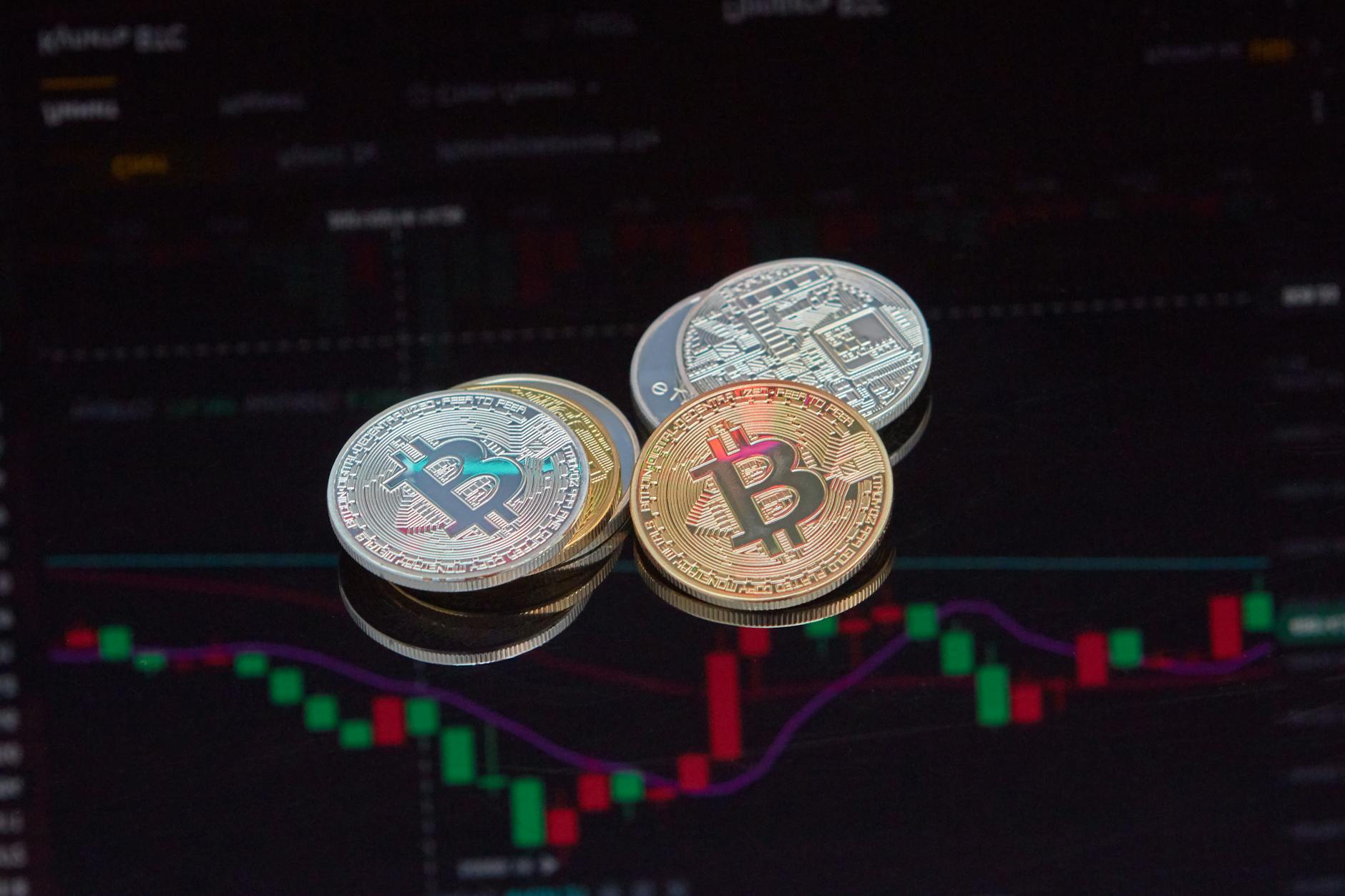
Bitcoin Shows Volatility Amid Market Recovery
Bitcoin experienced notable price fluctuations on March 31, briefly spiking before retreating as broader financial markets navigated various pressures, including surging oil prices and shifts in investor sentiment. This volatility underscores the market’s current uncertainty, which impacts cryptocurrency valuations significantly.
The day began with Bitcoin trading in the range of $65,000 to $72,000, before settling at around $66,551. Market analysts suggest that increase in oil prices imposed downward pressure on both stocks and cryptocurrencies, as rising energy costs raised concerns about future inflation. Federal Reserve Chairman Jerome Powell’s remarks eased immediate fears regarding interest rate hikes, but they were insufficient to maintain upward momentum in the crypto market. As stocks retreated and Bitcoin’s volatility increased, concerns surrounding liquidity have emerged, as pointed out by analysts watching the sector closely.
Decentralized Finance (DeFi) Gains Traction
Despite Bitcoin’s struggles, the DeFi sector reported encouraging growth, with a reported increase in liquidity across various protocols. This trend reflects revitalized interest as users are drawn toward decentralized finance solutions that aim to enhance financial accessibility and inclusivity.
According to recent reports, many DeFi platforms have witnessed appreciable inflows, indicating a growing trust in decentralized options over traditional financial mechanisms. This surge may correlate with ongoing regulatory discussions, suggesting that market participants are positioning themselves ahead of potential legal frameworks shaping the future of DeFi. Analysts note that if this momentum continues, it could lead to lasting changes in how finance operates.
The growing traction of DeFi serves as a vital counterpoint to Bitcoin’s volatility, showcasing a broader spectrum of investment opportunities within the cryptocurrency space.
Shifts in NFT Adoption and Regulation
The non-fungible token (NFT) market has also observed shifts, marked by a resurgence in adoption among mainstream users. Industry players report an increasing number of NFT transactions, particularly on established platforms, as brands and creators recognize the potential for monetizing digital assets.
This uptick comes amidst ongoing discussions surrounding the regulation of NFT marketplaces, where authorities scramble to establish legal frameworks for digital asset transactions. Recent remarks from prominent figures, including former President Donald Trump, asserting the power of cryptocurrencies, might further influence the sector’s regulatory landscape, as lawmakers reassess existing frameworks in light of new developments.
Experts argue that clarity in NFT regulation could significantly stabilize market dynamics, fostering broader participation from both artists and collectors. This shift could lead to enhanced credibility for digital assets while paving the way for innovative use cases.
Future Outlook: Emerging Trends in Crypto Regulation
Looking ahead, market analysts predict that a well-defined regulatory framework could boost investor confidence, leading to increased participation across all sectors of the cryptocurrency space. Such clarity could also facilitate smoother operations in DeFi platforms and foster broader NFT adoption, reinforcing the relationship between regulatory practices and market health.