Bitcoin Experiences Volatile Trading Activity
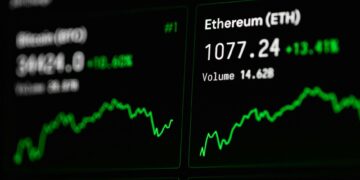
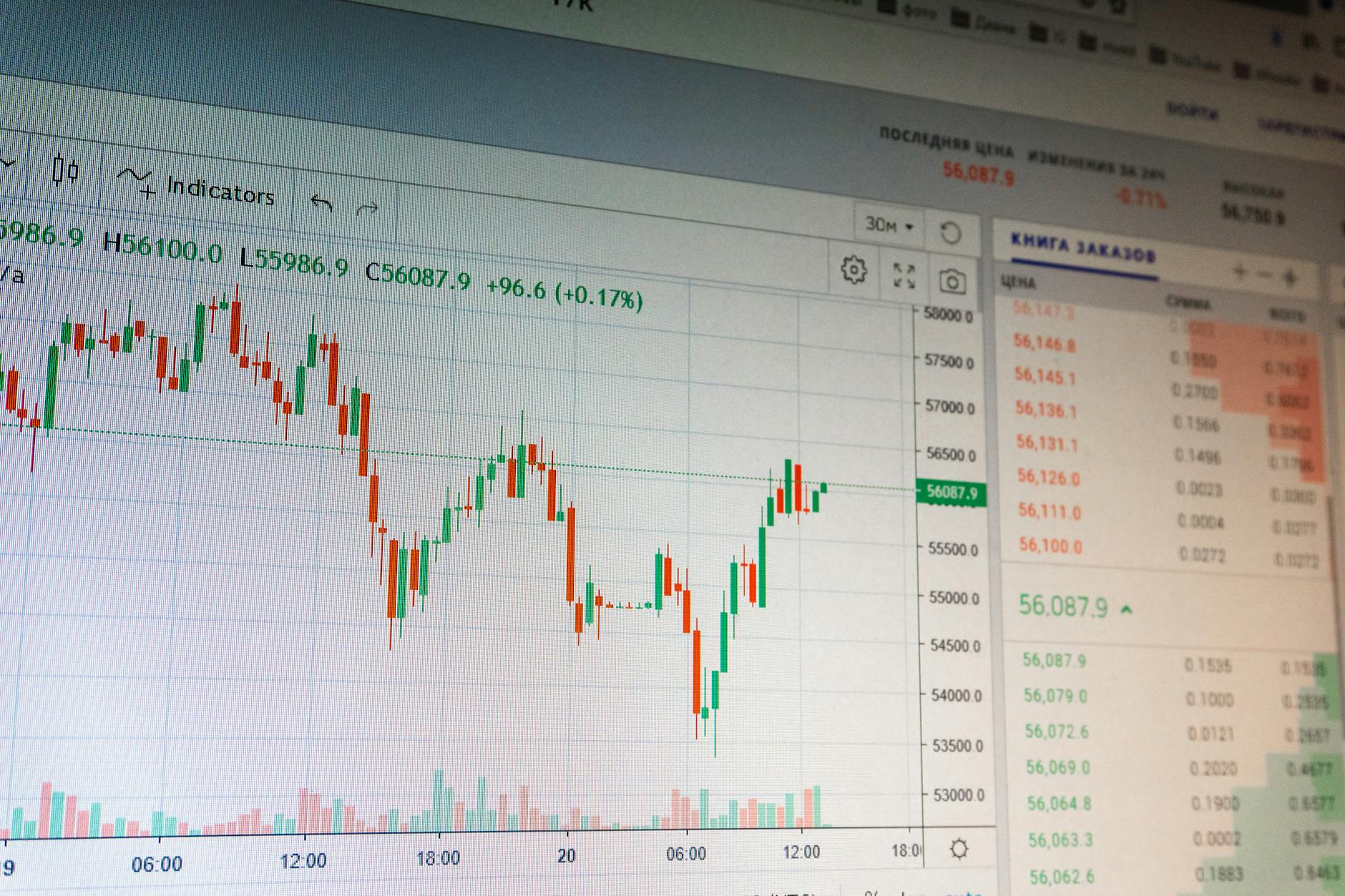
Bitcoin briefly surged to $66,551 on March 31, before losing most of its gains as oil prices spiked above $100 per barrel, causing a ripple effect across financial markets. This fluctuation captured the attention of investors navigating through an environment characterized by rising crude oil costs and inflation worries.
The Bitcoin price action reflects persistent volatility, as investors reacted to a combination of external economic factors and ongoing uncertainty in global markets. Earlier on the same day, U.S. Federal Reserve Chairman Jerome Powell alleviated bond market fears by reiterating that imminent rate hikes were not on the agenda. Powell’s statements initially buoyed investor confidence, pushing crypto and stock prices upwards, but the gains were quickly offset as oil price pressure took hold, leading to a widespread market decline.
Decentralized Finance Sees Improving Liquidity
In parallel to Bitcoin’s fluctuating fortunes, decentralized finance (DeFi) protocols reported a positive uptick in liquidity, indicating a growing investor appetite for alternative finance solutions. Market analysts suggested that several emerging DeFi platforms had successfully captured the attention of both retail and institutional investors, enhancing the overall depth of market liquidity.
This rise in liquidity demonstrates the potential for DeFi platforms to attract significant capital, despite the challenging regulatory environment. Increasing liquidity could signal positive sentiment from investors who are looking for innovative financial solutions amidst ongoing global uncertainty.
NFT Market Shifts Towards Broader Adoption
The non-fungible token (NFT) marketplace has experienced notable shifts, reflecting a broader acceptance within the cryptocurrency space. Marketplace platforms have begun to expand their offerings, attracting new users looking to participate in digital art, collectibles, and entertainment. This growth aligns with recent trends indicating potential mainstream adoption of NFTs as they gain traction across various industries.
As adoption spreads, NFT platforms are leveraging their positions to enhance user experiences and increase market participation. Executives from prominent projects highlight that the transition towards integrating NFTs into various applications may drive further innovation and user engagement, capitalizing on the unique attributes that NFTs provide, such as verifiable ownership and provenance.
Regulatory Landscape Faces Increased Scrutiny
The rapidly evolving cryptocurrency environment has prompted regulatory bodies worldwide to reassess their frameworks, addressing the growing complexities surrounding digital assets. In anticipation of stricter compliance measures, financial regulators are ramping up efforts to establish a clearer legal framework for cryptocurrencies, which could significantly impact the market’s operational landscape.
Authorities are now racing against the clock to formulate regulations that can effectively address issues surrounding consumer protection and market integrity. As lawmakers explore paths toward comprehensive digital asset regulations, the potential for increased scrutiny presents both challenges and opportunities for crypto firms navigating this increasingly complex regulatory landscape.
Market Outlook and Investor Sentiment
Looking forward, market analysts predict that Bitcoin’s trajectory will be influenced by macroeconomic indicators, such as inflation rates and oil prices. The expected rise in regulatory frameworks could further impact market volatility, as investors weigh the implications of new measures on their crypto strategies.
Broader acceptance of DeFi technologies and NFTs may provide a buffer against market uncertainty, but the overall sentiment remains contingent on regulatory developments. Investors are advised to stay informed as these dynamics continue to unfold, navigating a market characterized by both opportunity and risk.