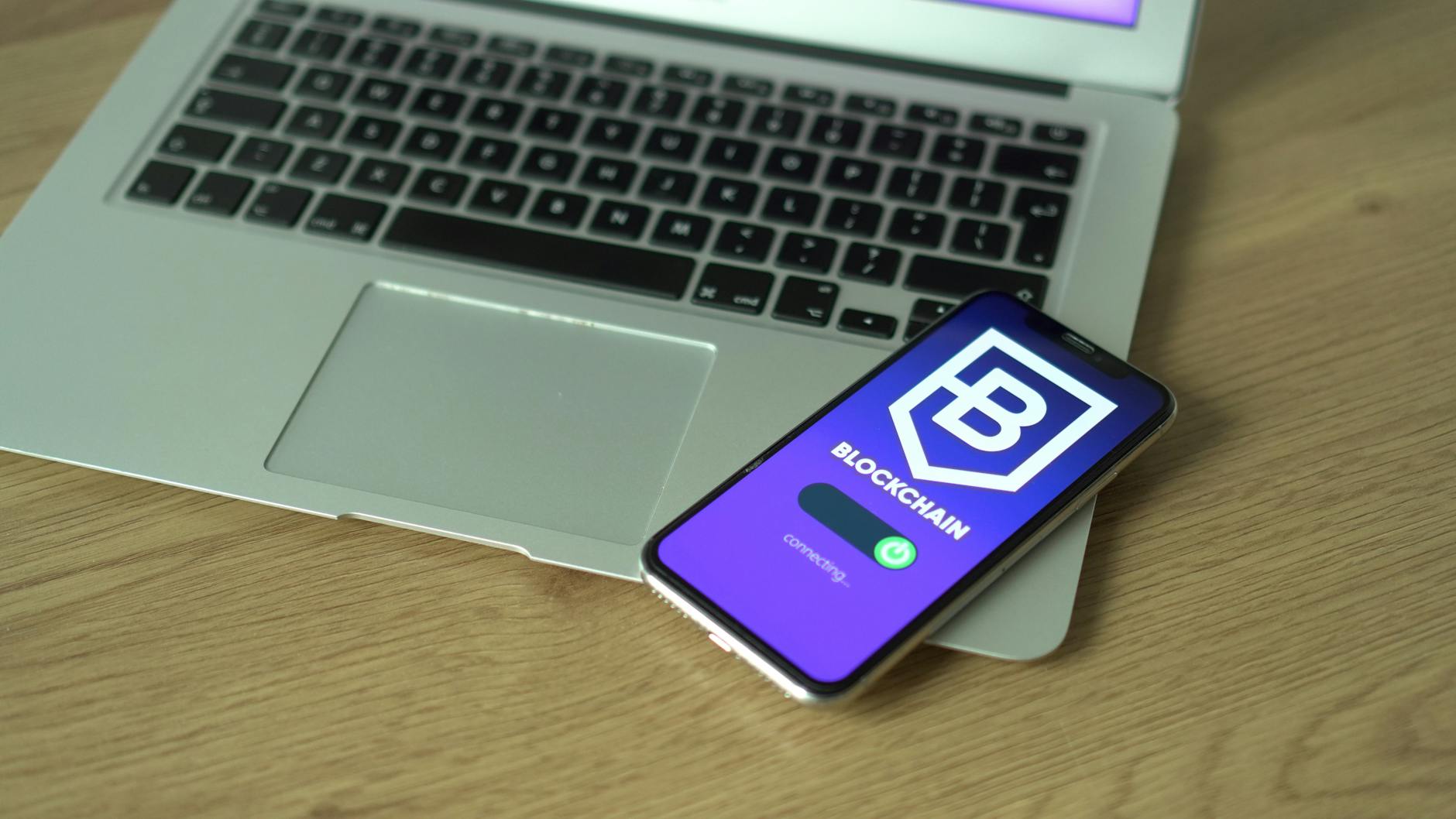
Fraudulent Ledger Live App Exposed
A phony Ledger Live application on the Apple App Store has reportedly siphoned off $9.5 million from unsuspecting victims, according to cryptocurrency investigator ZachXBT. Over 50 individuals have been identified as victims, suffering significant losses after downloading the counterfeit app under the guise of legitimate cryptocurrency management tools.
This incident isn’t isolated; the fraudulent app raises substantial concerns over the oversight and regulation of applications available on popular platforms. Users relied on the reputation of Apple to provide a secure environment for financial applications, but this breach of trust underscores vulnerabilities in the app approval process.
Details of the Fraud
The fraudulent Ledger Live app functioned by misleading users into surrendering their cryptocurrency credentials, enabling attackers to drain their funds. Tracing the stolen assets revealed that much of the money was funneled into a mixer connected to the KuCoin exchange—a tactic commonly used to obscure the origins of illicit funds.
The issues surrounding the approval of this counterfeit app echo concerns raised earlier in the year when another similar application on Microsoft’s store caused substantial financial harm, amounting to nearly $600,000 in losses.
This alarming trend signifies a growing risk not just for crypto enthusiasts but for any user of financial apps, raising questions about the robustness of security measures in digital distribution channels.
Implications for the Crypto Community
The fallout from this incident has ramifications that extend beyond individual losses. Analysts predict a potential downturn in public trust towards digital wallets and management applications, influencing users to either avoid these platforms or seek out traditional banking alternatives for their cryptocurrencies.
Industry experts argue that stronger regulatory measures may be necessary to mitigate these risks in the future, emphasizing the need for more stringent checks on app listings. Additionally, the revelation of such vulnerabilities may push companies to invest in enhanced security features to protect users’ assets.
Ultimately, this situation could catalyze a broader discussion about user education in the crypto space. As regulatory frameworks evolve, educating users about potential scams and risks becomes more critical to safeguard their investments.