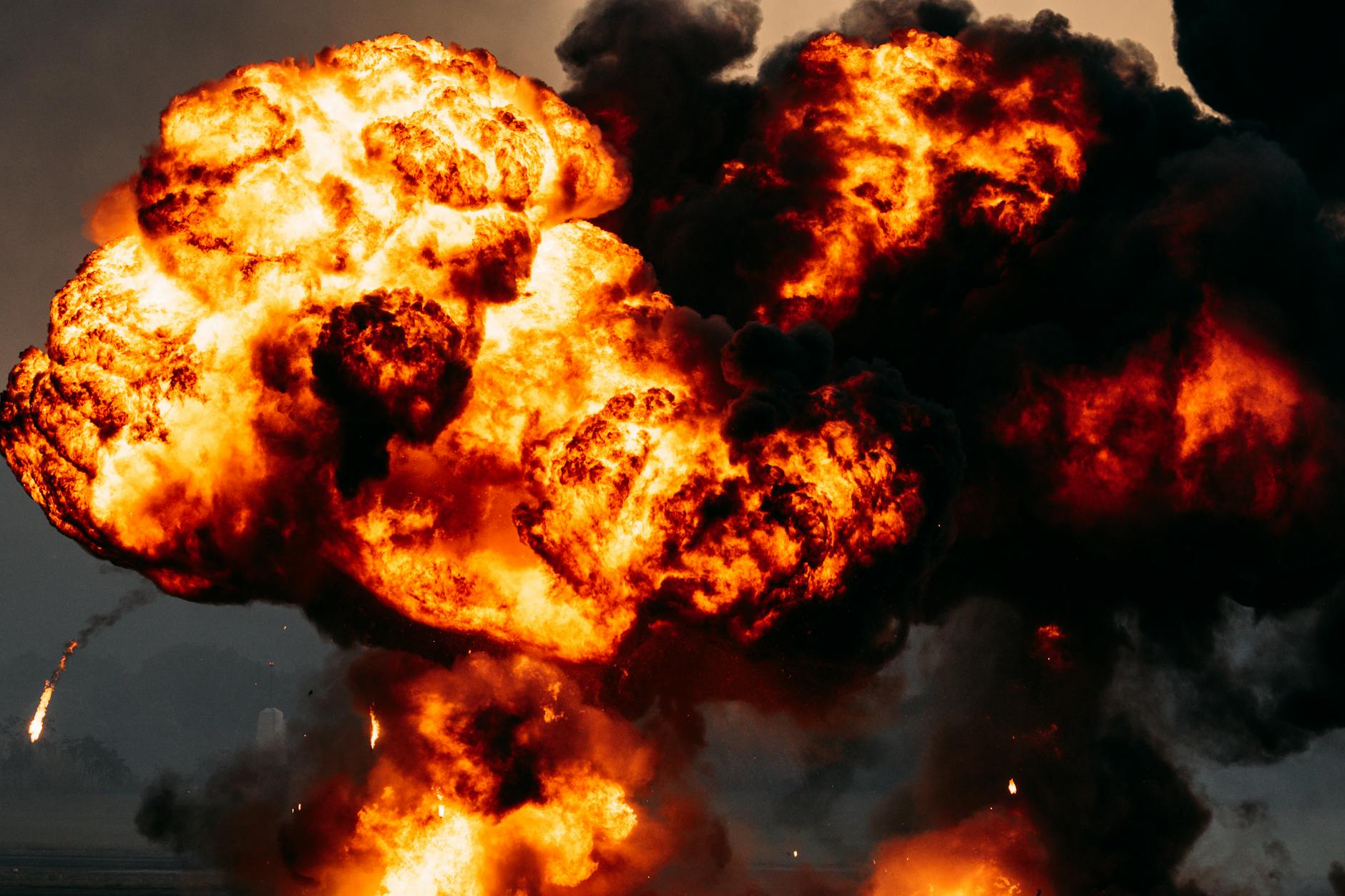
Iran Launches Attack on Saudi Pipeline
Iran bombed Saudi Arabia’s East-Wave Pipeline on April 8, causing the shutdown of operations impacting hundreds of thousands of barrels of crude oil, immediately after a U.S.-Pakistan-brokered ceasefire was established. This escalation comes amidst ongoing tensions in the region and casts significant doubt over the durability of the newly established truce.
This aggressive act by Iran follows a series of hostilities and retaliatory strikes involving its regional adversaries, emphasizing the already fragile nature of peace agreements in a historically volatile setting. The pipeline attack not only raises concerns over oil supply stability but may also influence global energy markets, as the strike represents Iran’s explicit challenge against its rivals.
Israel’s Comprehensive Airstrikes on Lebanon
Hours after Iran’s strike, Israel initiated what its military described as the most extensive airstrikes on Lebanon to date, targeting Hezbollah positions throughout the country, particularly in Central Beirut. Reports indicated significant casualties with initial estimates placing numbers over 180 fatalities, reigniting fears of a larger military conflict in the region.
Israel’s defense officials stated that the operations were necessary to neutralize what they deemed ongoing threats from Hezbollah. Meanwhile, Hezbollah claimed that its forces had upheld the ceasefire by not firing upon Israel since the truce was declared, complicating the narrative as Israel continued to assert its military’s right to respond despite the ceasefire.
The United States, which played a mediating role in crafting the ceasefire, faces criticism over the apparent ineffectiveness of its diplomatic efforts. Analysts underscore that this dual assault marks a dramatic failure of the two-week truce, highlighting the volatility of Middle Eastern geopolitics.
Implications for Ongoing Tensions
This recent surge in conflict underscores the precarious balance of power in the region. Experts suggest that without robust international influence and a clear commitment to conflict resolution from all involved parties, further escalations are probable. The U.S. administration is expected to reassess its engagement strategy with both Iran and Lebanon to mitigate the potential backlash on global oil markets and regional security.
As tensions persist, market participants are closely tracking the developments for potential ramifications on oil prices and broader economic indicators. Should the situation continue to escalate without intervention, we could see significant consequences not just for local economies but for global oil supply chains.
Sources
- Iran Strikes Saudi Pipeline and Israel Launches Airstrikes on Lebanon Hours After Ceasefire Deal
- Israel launches huge attack in Lebanon after Iran ceasefire declared – NBC News
- Israel launches massive strikes on central Beirut after Iran ceasefire – Financial Times
- Israel’s continued strikes in Lebanon putting strain on fragile US-Iran ceasefire – BBC
- What is Israel’s war in Lebanon and why could it shatter the Iran ceasefire? – CNN