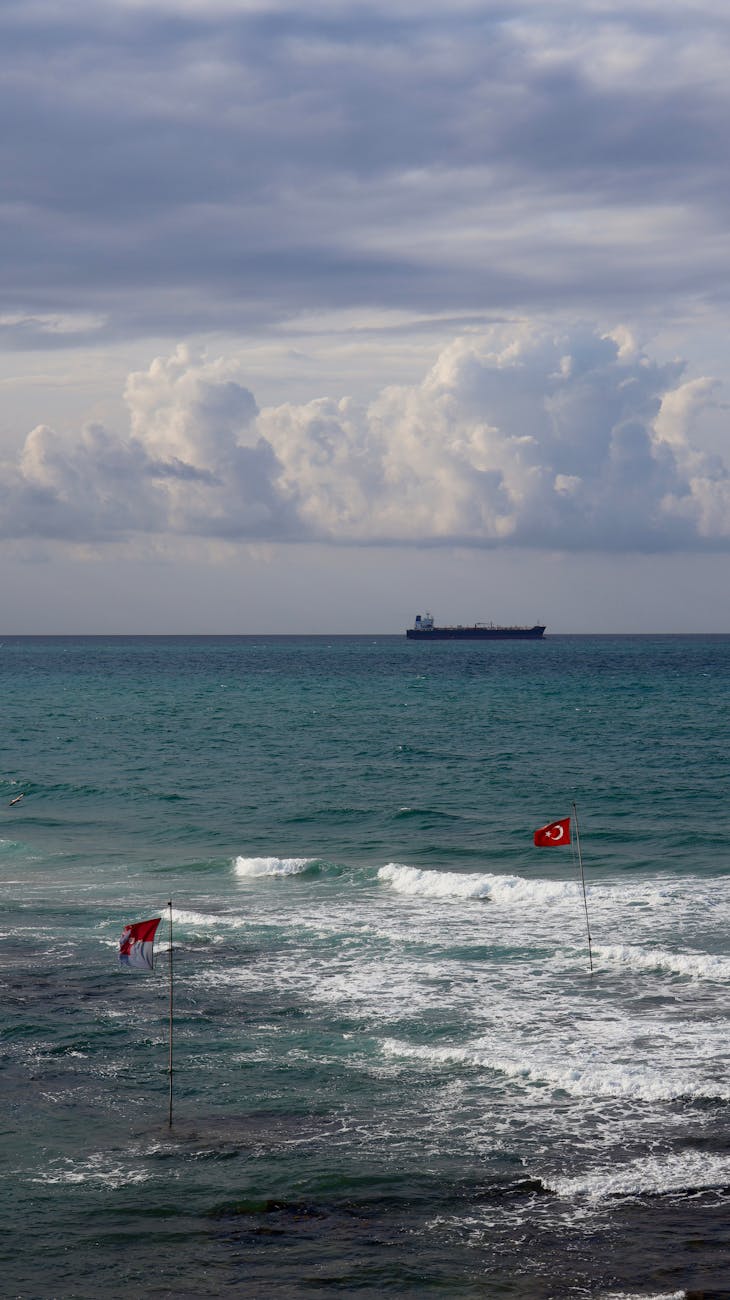
Iran Establishes Strict Shipping Quota at Strait of Hormuz
Iran enacted a cap restricting the passage of vessels through the strategically significant Strait of Hormuz to just 15 ships daily, a move linked to a fragile ceasefire agreement with the United States reached on April 7, 2026.
The ceasefire, orchestrated by Pakistan, is designed to alleviate escalating tensions following a prolonged conflict that has gripped the region since February. Under this agreement, both Iran and the U.S. have committed to refraining from military actions for two weeks, a situation that has become precarious given the critical nature of the Strait, which facilitates the movement of about 20% of the world’s crude oil.
The Context of Shipping Limitations
This new shipping limit comes in response to heightened anxieties surrounding maritime security and regional stability. The uncertainty surrounding the Strait has drastically affected shipping patterns; previously, large numbers of oil tankers regularly transited the waterway. Now, however, the transition to a daily cap reflects Iran’s strategic maneuvering, signaling its ability to leverage the geopolitical situation amidst ongoing tensions with the West.
The recent agreement allows for littoral states, including Iran and Oman, to impose fees for the transit of vessels, adding a new financial dimension to an already complex situation. Ship schedules are rumored to require payments in cryptocurrency, a tactic likely intended to bolster Iran’s revenue while navigating international sanctions.
After weeks of sporadic military engagement and confrontations with foreign vessels, the announcement to limit traffic led to increased volatility in global oil markets. Initial ship transits since the ceasefire have been extremely low, further complicating global fuel supply dynamics as oil prices react to shifting operational constraints.
Market Reactions to Tehran’s Shipping Cap
Market analysts predict that limiting vessel traffic could exacerbate existing global energy supply challenges, particularly as investor concerns mount regarding possible misalignments between Iran’s compliance with the ceasefire and international shipping requirements.
Oil prices have already begun to react: reports indicate fluctuations toward $100 per barrel recently, reflecting concerns driven by interruptions in oil supply chains. This instability in the Strait of Hormuz, combined with enduring geopolitical turmoil in the Middle East, risks not only fuel price hikes but also broader economic repercussions on a global scale.
As markets brace for potential shipping disruptions, traders remain vigilant about the ramifications of Iran’s decision. The capacity limitations could lead to increased freight costs and longer delivery times, amplifying existing inflationary pressures across various economies.
Looking Ahead: Implications for Shipping and Geopolitics
As the ceasefire unfolds, scrutiny will intensify around Iran’s adherence to the agreed terms. Should Iran fail to maintain the stipulated limits, which are merely an initial step in negotiations for a more lasting peace, more severe consequences could follow. Maritime incident reports suggest that Iran has already issued warnings threatening punishment against vessels attempting transit without explicit permission, casting uncertainty into the operations of international shipping companies.
In today’s interconnected economy, the developments in the Strait of Hormuz have implications well beyond regional confines, influencing energy markets and prompting governments to reassess their strategies for energy security. Analysts emphasize the importance of diplomatic dialogues to stabilize the situation and generate conditions conducive for resuming regular shipping operations. A return to pre-conflict shipping levels seems distant, raising prospects of intermittently severe constraints on oil transport through one of the world’s busiest maritime channels.