Prolonged Digital Blockade in Iran
Iran’s internet blackout entered its 35th day on Tuesday, with citizens enduring over 810 hours of restricted access amid escalating tensions driven by the U.S.-Israel coalition. The ongoing digital siege reflects a governmental effort to suppress dissent, as citizens risk their lives to reach out for assistance.
This blackout emerged as the Iranian regime intensified its repressive measures, coinciding with military strife in the region, including drone and missile engagements. Reports indicate that the lack of internet is fostering a climate of anxiety, where citizens increasingly rely on underground networks to communicate and organize. Activists are resorting to smuggling satellite equipment like Starlink devices to navigate the government’s technological barriers, amidst fears of harsh reprisals from authorities.
Increased Risks for Citizens
Civilians have confronted serious dangers while attempting to bypass the blackout. According to reports, ordinary Iranians, journalists, and activists report facing threats of punishment or even death if apprehended while attempting to establish online connections. This reality underlines the harsh penalties for dissent within the nation, as global observers highlight the resilience of Iranian citizens against authoritarian measures.
Ahmad Ahmadian, executive director of Holistic Resilience, commented on the situation, pointing out that the blackout is not merely an inconvenience—it jeopardizes livelihoods and hinders essential communication. Iranians across the nation are in a daily struggle to access basic services, as many rely heavily on the internet for work and information. “No internet, no job,” lamented an individual identified only as Amir. This sentiment is echoed across social media platforms by citizens desperate for their voices to be heard and seeking solidarity from the international community.
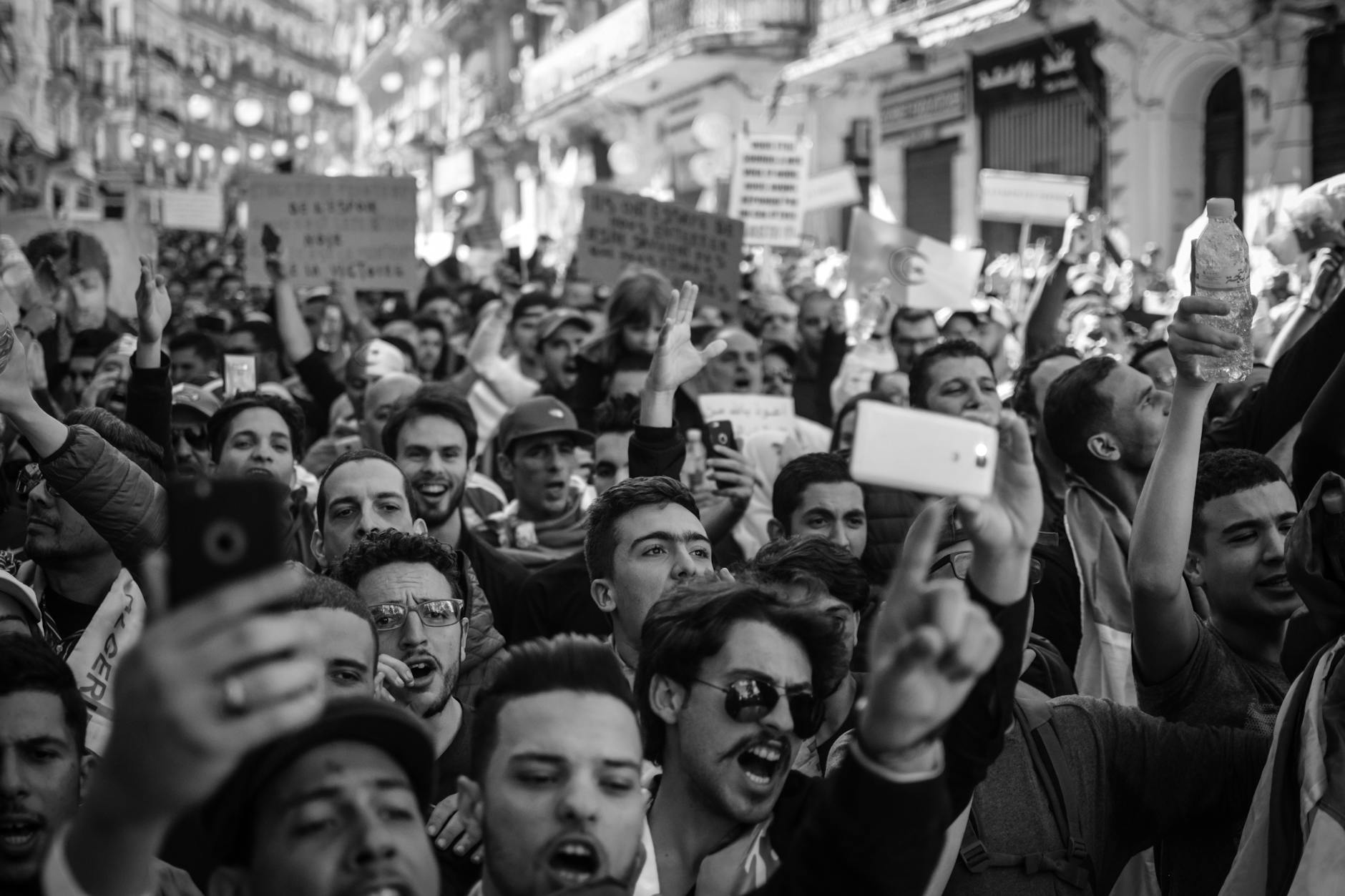
As the conflict escalates, the Iranian regime’s push for control over information can also be seen through its direct action against dissent. The regime’s security forces have reportedly engaged in violent crackdowns against protesters, further consolidating the regime’s grip on power amidst uncertainty and unrest.
International Implications and the Future
As the blackout continues, analysts express concerns over the implications for digital freedom not just in Iran, but for repressive states worldwide. International human rights organizations have condemned the communications blockade as a stark violation of rights, calling it a crisis that demands urgent attention. The Iranian government’s tactics serve as a troubling precedent, highlighting how digital tools can be turned against a populace striving for transparency and freedom.
Looking ahead, the international community faces mounting pressure to act. Activists are calling for more sophisticated means of technological support, including the provision of secure communication technologies to help circumvent the regime’s restrictions. It remains to be seen if the situation will incite broader international outrage, potentially leading to diplomatic responses or increased sanctions aimed at the Iranian government.
Against this backdrop, Iran’s internet blackout not only showcases the gravity of the current situation in the country but fuels discussions on digital freedom amid authoritarianism globally. As citizens risk their safety to communicate, the resolve of the Iran populace serves as a testament to the enduring fight for human rights and freedom of expression.